
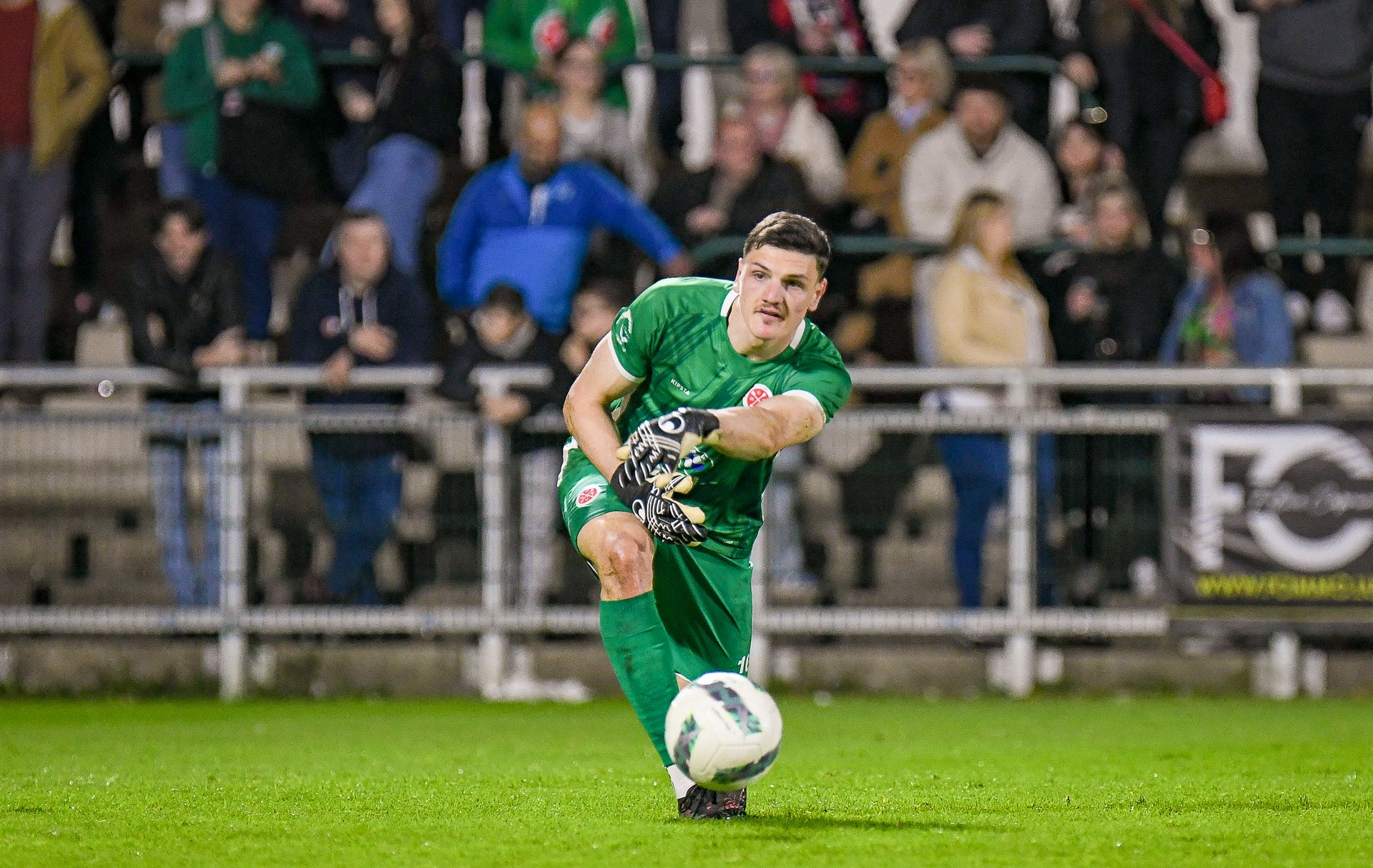
R.E. Virton, commonly known as Virton FC, is a 8k bet Belgian football club with a story defined by ambition, resilience, and steady progression through the national leagues. Based in the town of Virton in the province of Luxembourg, the club has built a reputation as a competitive and professionally run side. Since its foundation in 1922, Virton has grown from a local team to a respected competitor in Belgian football, consistently striving for success on and off the pitch.
Early Years and Development
Virton FC began as a small-town xổ số 8kbet club, participating in regional competitions and amateur leagues. For decades, the club focused on establishing a solid foundation, investing in youth development, and nurturing local talent. This steady approach allowed the club to gain promotion through the lower tiers of Belgian football gradually, earning respect for its professionalism and determination.
During the 1980s and 1990s, Virton began to make its mark nationally, regularly competing in the Belgian Third Division and establishing itself as a challenging opponent for more established teams. These early successes laid the groundwork for the club’s future ambitions, with management prioritizing sustainable growth and strong community ties.
Rise to Professional Football
Virton’s most significant progress came in the 2000s, as the club earned promotion to the Belgian Second Division (now Challenger Pro League). Competing at this level required stronger infrastructure, improved scouting networks, and a focus on tactical development, all of which Virton successfully implemented.
The club’s rise to professional football was highlighted by their consistent performances in league play and domestic cup competitions. Despite being a smaller club, Virton has frequently punched above its weight, challenging more prominent teams and proving that determination and smart management can rival larger budgets.
Total Goals and Key Players
Over the course of their history, Virton FC has scored over 2,500 official goals in league and cup competitions combined. The club has a long tradition of attacking, disciplined football, emphasizing creativity and tactical awareness.
Several players have emerged as club legends, most notably Hugues Wague, a dynamic forward who contributed heavily to the team’s rise in the 2010s, and David Hubert, whose leadership and midfield control have been instrumental in Virton’s success. These players exemplify the club’s ability to develop talent capable of competing at higher levels.
Awards and Achievements
While Virton FC may not boast a cabinet full of major national trophies, its achievements demonstrate the club’s steady growth and competitive spirit:
- Belgian Second Division Promotion Playoff Winners: 2018–19 (promotion to the First Division B)
- Belgian Third Division Champions: Multiple times in the 2000s and 2010s
- Belgian Cup Notable Performances: Reaching the later stages against top-flight opponents
- Regional Championships: Several provincial titles reflecting dominance at local levels
These accomplishments highlight Virton’s commitment to long-term development and its ambition to establish itself as a consistent force in Belgian professional football.
The Club Today and Future Aspirations
Today, Virton FC plays at the Stade Yvan Georges, a stadium that symbolizes the club’s modern approach while maintaining strong community connections. The club emphasizes youth development, tactical innovation, and financial sustainability to ensure long-term success.
With a loyal fan base and a focus on nurturing local talent, Virton continues to push for higher levels of competition, aiming to secure stability in the Challenger Pro League and ultimately challenge for a place in Belgium’s top-flight division.
Virton FC’s journey is a testament to perseverance, ambition, and strategic growth. From a small-town club to a recognized professional team, the club embodies the values of hard work and determination, proving that with careful planning and community support, even smaller clubs can make a significant impact in national football.






Leave a Reply