
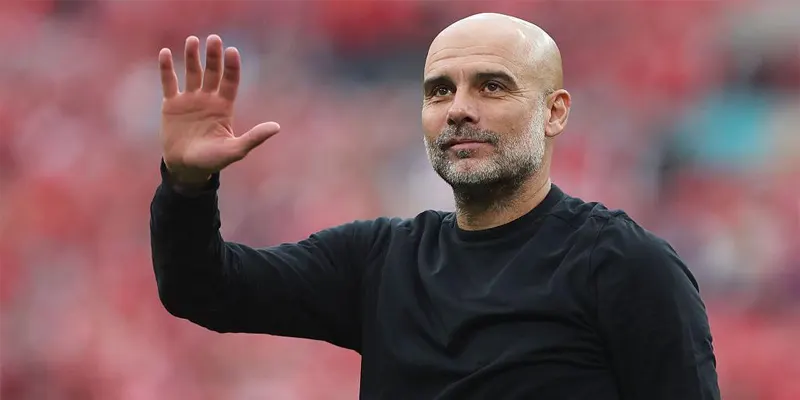
Pep Guardiola stands as the master architect of modern football, redefining the game with his visionary tactics and fluid style. From Barcelona’s golden era to Manchester City’s dominance, his influence extends far beyond trophies—shaping how the world views football artistry. Discover more insights at https://lc88.gold/.
The Tactical Evolution of Pep Guardiola: A Deep Dive
From his early managerial days, Pep Guardiola demonstrated a keen stratégique mindset, initially popularizing the possession-based, high-pressing style at Barcelona. His tactical philosophy has continuously evolved, incorporating new ideas while refining core principles. Over the years, Guardiola shifted from the classical “tiki-taka”—short, quick passing focused on ball retention—to more dynamic systems incorporating positional fluidity and adaptive pressing schemes. This evolution signifies his flexibility and commitment to tactical innovation, allowing his teams to adapt to different opponents and league demands without losing their fundamental identity.
In recent seasons, Guardiola has integrated more directness and verticality into his teams’ play, blending possession with swift counter-pressing and rapid transitions. His tactical evolution demonstrates an understanding that football is a constantly changing game, requiring adaptability and continuous refinement. He has moved beyond a rigid system to favor a flexible, hybrid approach, emphasizing spatial control, pressing triggers, and positional rotations. This adaptability underscores why Guardiola remains at the forefront of tactical innovation—he learns, experiments, and evolves, reinforcing his reputation as a true modern pioneer.
Pep Guardiola’s Coaching Philosophy: Principles and Practices
The core of Pep Guardiola‘s coaching philosophy revolves around meticulous planning, obsessive attention to detail, and a clear ideological framework. His principles prioritize ball dominance, positional discipline, high pressing, and the creation of overlapping attacking options that maximize space and player movement. Guardiola instills a culture of tactical intelligence in his players, fostering not just technical skill but an understanding of spatial dynamics and game context. Practically, this manifests in intense training drills focused on maintaining structure, rapid transitions, and quick decision-making under pressure.
Beyond tactics, Guardiola emphasizes psychological factors—confidence, resilience, and collective unity—as essential pillars of his methodology. He believes in empowering players to make autonomous decisions within a structured team system, encouraging creativity within disciplined boundaries. His practices involve detailed video analysis, adapting strategies per opponent, and creating a cohesive team ethic rooted in mutual understanding and high standards. This holistic approach reflects a philosophy that football is as much about cerebral engagement as it is about physical execution, proving pivotal in his clubs’ sustained success.
Guardiola’s Impact on Modern Football Tactics
Guardiola’s philosophy popularized possession-based, high-intensity play that prioritizes intelligence over physicality. His legacy continues to inspire new generations of coaches to embrace tactical adaptability and creativity. Experience this strategic evolution firsthand when you Thể Thao LC88 today.
Furthermore, Guardiola’s success has prompted tactical experimentation at the highest levels, encouraging teams to adapt possession principles with more pragmatic and direct strategies. The rise of press-and-possess hybrid systems, positional rotations, and flexible formations stems largely from his coaching ideology. His impact resonates not only in tactical trends but also in the managerial mindset—emphasizing data-driven analysis, psychological preparation, and tactical adaptability as pillars of modern coaching. His approach has made football more intellectually demanding and tactically sophisticated, raising the overall standard of the game.
Analyzing Guardiola’s Title-Winning Strategies at Manchester City
At Manchester City, Pep Guardiola has employed a nuanced blend of strategic discipline and innovative tactics to secure multiple Premier League titles. His approach hinges on controlling the game tempo through possession, complemented by intense pressing to regain ball possession quickly. Guardiola’s teams often utilize positional rotations, creating overloads and nullifying opponents’ defensive setups. A key element has been his ability to adapt his tactical plan depending on the opponent—sometimes emphasizing width, others focusing on compact central pressure—showing tactical flexibility that maximizes player strengths.
This tactical acuity is complemented by his focus on player development and squad management. Guardiola meticulously selects systems that exploit individual talents while maintaining overall team balance. His reliance on intelligent pressing triggers, positional interchanges, and fluid attacking patterns creates a dynamic, unpredictable style of play that overwhelms opponents. By combining tactical discipline with creative freedom, Guardiola has not only amassed titles but also elevated Manchester City’s playing identity to one of the most exciting and effective in world football.
Pep Guardiola and Player Development: Nurturing Talent to its Full Potential
A distinctive feature of Pep Guardiola’s management is his ability to develop players, transforming raw talent into world-class performers through disciplined training, tactical education, and psychological guidance. His emphasis on understanding tactical roles helps players see the game from a broader perspective, fostering versatility. Guardiola’s coaching process involves detailed positional work and scenario-based sessions, pushing players to think proactively and make strategic decisions under pressure, which drastically enhances their long-term development.
Beyond technical and tactical growth, Guardiola nurtures a team culture rooted in collective accountability and continuous improvement. He believes that developing a player’s mindset is as crucial as technical skills, instilling confidence and resilience. His knack for unlocking potential has seen him transform underperformers into key contributors and young talents into established stars. This individual-focused approach elevates team performance and sustains success over time, making Guardiola not just a tactician but a developer of football talent—a significant reason for his enduring influence on modern football.
The Guardiola Effect: How He Transforms Clubs and Leagues
Pep Guardiola’s arrival at a club often triggers a profound transformation, both in playing style and organizational culture. His tactical philosophy, emphasizing possession, pressing, and positional discipline, forces clubs to adapt dramatically. This “Guardiola effect” often elevates the standard of competition within a league, encouraging rivals to innovate and become more tactically sophisticated. This ripple effect has been evident in leagues like La Liga, Bundesliga, and Premier League, where his influence has catalyzed strategic shifts across multiple clubs.
Beyond tactical impact, Guardiola’s managerial approach fosters a winning mentality, professionalism, and a culture of continuous Improvement. His success at Barcelona, Bayern Munich, and Manchester City has also demonstrated that strategic vision, combined with data analysis and player-centric management, can transform clubs into dominant forces. His ability to reshape club identities while maintaining competitive excellence exemplifies how a visionary manager can influence not just tactics but the overall fabric of football institutions, setting new standards for success and innovation.




Leave a Reply